


The Definitive Guide to Cold Capping

I was diagnosed with breast cancer when I was 40. You can imagine the fears I had: Would I survive? How sick would I get? And among my biggest concerns was whether I would be able to keep my hair. Some may dismiss wanting to hold on to your hair as vanity. I can tell you it was so much more than that. It was about maintaining my dignity and still seeing me in the mirror. It also helped that my husband and kids didn't see me as sick. This was very important to me.
Keeping my hair meant I could share my diagnosis and treatment with people in my own time—if I wanted to share it at all. Keeping my hair meant I didn't have to let my appearance tell my story before I was ready.
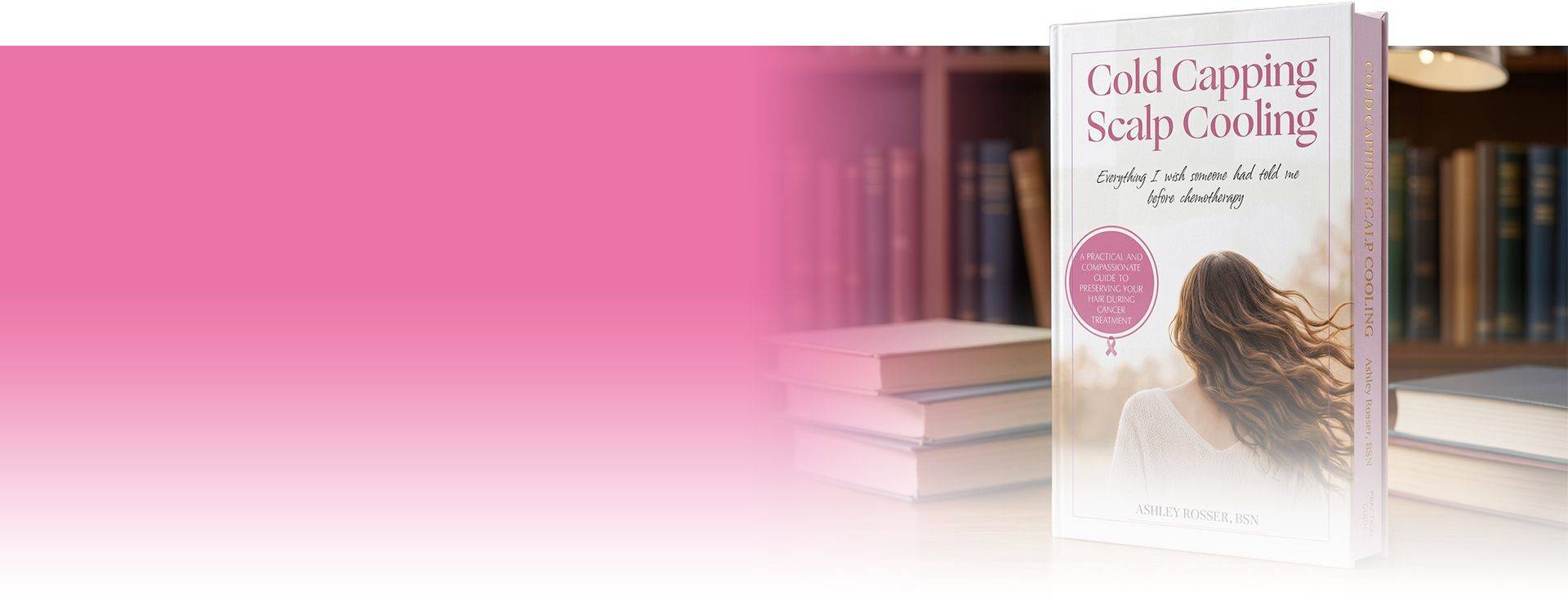
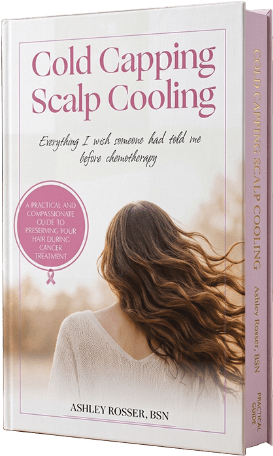
When I started writing Cold Capping/Scalp Cooling: Everything I Wish Someone Had Told Me Before Chemotherapy last January, it began as my journey through chemotherapy and cold capping. Along the way, I realized it needed the voices of other women who had cold capped or scalp cooled during chemotherapy. We had different experiences and different results, but all of us were glad we made the choice and would do it again.
Their stories helped this book become the resource I wished I'd had when I started my cancer journey. This book would not be what it is without the women who so openly shared their experiences.

 Compassionate Cold Capping provides cold capping solutions in Philadelphia, PA and surrounding counties using the Penguin Cold Capping system. Cold cap therapy is scalp cooling treatment that helps to save your hair during chemotherapy. Whether you choose to save your hair to preserve your privacy, maintain normalcy, protect your children and other loved ones, or to continue working, keeping your own hair will provide you with a sense of control and a positive mental attitude. Our founder was diagnosed with breast cancer at the age of 40 with three young children. Preserving her hair using Penguin cold caps allowed her to maintain a sense of normalcy throughout her 16 chemotherapy treatments.
